Enjoy a West African Fundraiser Gala Dinner with Togolese music and dancing on Saturday, March 9th.
Wo.S.A.T., a Chicagoan West African Women’s Association is celebrating International Women’s Day and their 16th birthday at Chateau Del Mar in Hickory Hills on March 9th from 6pm to 12am. Donations are welcome for those who may not be able to attend by Zelle / Paypal / CashApp: wosatready@gmail.com . Wo.S.A.T. is a nonprofit organization and donations are tax deductible.
Comprised of 22 Togolese women who are mostly Mina, this Chicagoan women’s organization was founded in 2007. They are hoping to raise $20K to fund water works projects in the Village of Danyi Gabi, Togo, and to provide much needed medical and school equipment and supplies.
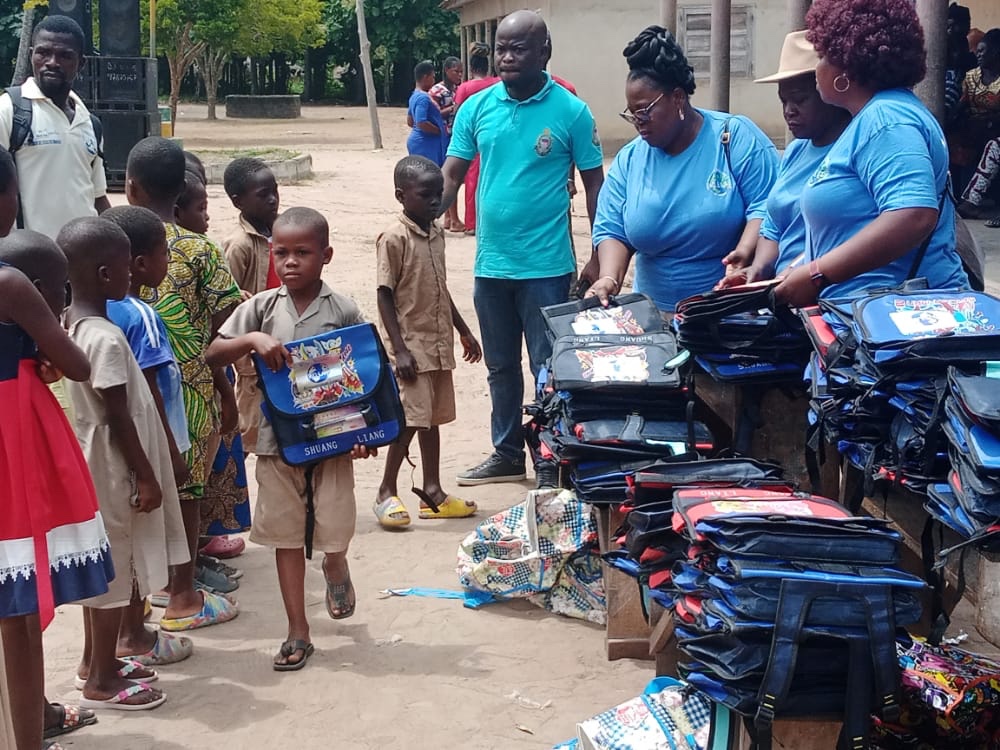
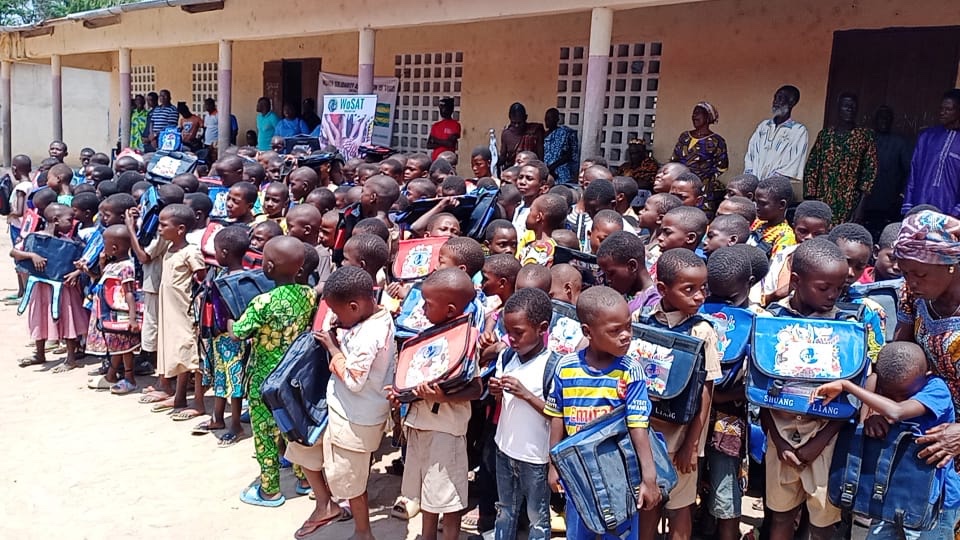
In 2022 WOSAT funded similar projects in the Villages of Atoeta, Ahepe, Agbetiko and Batoumé, with $12K they received from donations and membership dues. WOSAT also funded projects in Togo in 2017, 2016 and 2014. Many videos and pictures are available here.
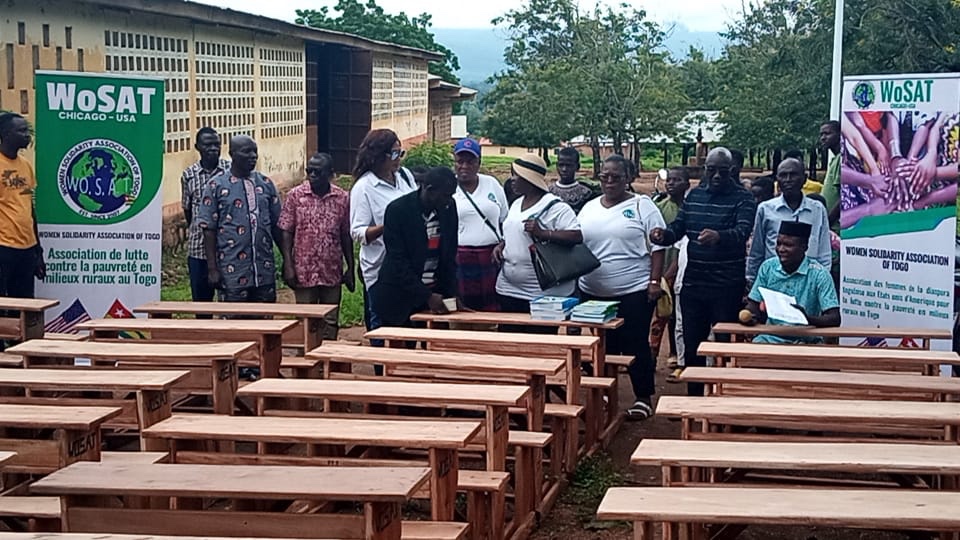
School children at the Village of Batoumé in Togo, West Africa, receiving schools supplies from Wo.S.A.T members 2022School children at the Village of Batoumé in Togo, West Africa with backpacks purchased by Wo.S.A.T.2022In 2022 Wo.S.A.T. provided hospital beds for women to give birth like the one we see in the far left to a hospital in Ahepe, Togo.Village Elders, Ahepe, Togo, West Africa, 2022In 2022 Wo.S.A.T. purchased school benches and tables for several school in the Villages of Ahepe, Atoeta, Agbetiko and Batomé, in Togo, West Africa.
La combustion des déchets plastiques en Afrique représente un grave problème de santé publique et environnemental. Les émanations toxiques issues de cette pratique sont liées à des risques accrus de cancer chez les populations exposées. Les fumées résultantes contiennent des composés chimiques nocifs tels que les dioxines et les furanes, reconnus comme cancérigènes par l’Organisation mondiale de la Santé (OMS). Ces substances pénètrent dans l’organisme par inhalation, affectant les voies respiratoires et augmentant les dangers pour la santé, notamment le cancer du poumon.
En parallèle, la combustion des déchets plastiques entraîne une contamination des eaux souterraines. Les résidus toxiques issus de cette activité se déposent dans le sol et finissent par atteindre les nappes phréatiques, altérant ainsi la qualité de l’eau potable disponible pour les communautés locales. Cette contamination représente une menace directe pour la santé, exposant les populations à des risques d’intoxication et de maladies graves.
En Afrique, cette problématique prend des proportions alarmantes. Les pratiques de gestion des déchets inefficaces, combinées à une utilisation généralisée de la combustion pour éliminer les déchets plastiques, exacerbent les impacts néfastes sur la santé et l’environnement. Pour lutter contre cette crise, des politiques de gestion des déchets plus strictes et des alternatives durables sont impératives pour protéger la santé des populations et préserver les écosystèmes fragiles de la région.
Écrit par Intelligence Artificielle, édité par Jorge Carbajosa
Le Numéro d’Identification du Contribuable Individuel (ITIN, pour Individual Taxpayer Identification Number en anglais) est un document essentiel pour ceux qui ne sont pas éligibles pour obtenir un numéro de sécurité sociale aux États-Unis, mais qui ont besoin de remplir leurs obligations fiscales. Dans cet article, nous explorerons comment obtenir un ITIN, son utilité, les institutions financières qui acceptent ce numéro pour ouvrir des comptes bancaires, les entreprises qui offrent des services pour l’obtenir et les avantages de gérer le processus par vous-même.
Qu’est-ce que l’ITIN et à quoi sert-il ?
L’ITIN est un numéro d’identification fiscale délivré par le Service des Impôts Internes (IRS) aux États-Unis. Il est destiné aux individus qui ne sont pas des citoyens résidents ou des étrangers non résidents ayant l’obligation de déposer des déclarations fiscales aux États-Unis. L’ITIN est utilisé pour déclarer et traiter les déclarations fiscales, ainsi que pour d’autres fins fiscales.
Étapes pour obtenir un ITIN :
Formulaire W-7 : Vous devez remplir le Formulaire W-7, la Demande de Numéro d’Identification du Contribuable Individuel. Ce formulaire recueille des informations sur votre identité et la raison de votre demande d’ITIN.
Documentation d’identité : Joignez des documents originaux ou certifiés qui prouvent votre identité et votre statut d’étranger. Ces documents peuvent inclure des passeports, des visas, des actes de naissance et d’autres.
Déclaration de revenus : Incluez une copie signée de votre déclaration de revenus fédérale si vous demandez un ITIN pour remplir vos obligations fiscales.
Envoi de la demande : Envoyez la demande complète avec les documents requis à l’IRS. Vous pouvez le faire par la poste ou en personne dans l’un des bureaux de l’IRS.
Attente et vérification : Une fois que l’IRS aura reçu votre demande, il traitera les documents et émettra l’ITIN si tout est en ordre. La vérification peut prendre quelques semaines.
Institutions financières et comptes bancaires avec ITIN :
De nombreuses banques et coopératives de crédit aux États-Unis acceptent l’ITIN pour ouvrir des comptes bancaires. Certaines institutions qui acceptent généralement l’ITIN comprennent Wells Fargo, Bank of America, Chase, Capital One et Ally Bank, entre autres. Cependant, les politiques peuvent varier, il est donc toujours recommandé de vérifier directement auprès de l’institution avant d’ouvrir un compte.
Agent d’acceptation de l’ITIN autorisé par le gouvernement américain
Le gouvernement américain autorise plusieurs entreprises à traiter votre ITIN. Voici une liste et plus d’informations. Le processus d’obtention d’un ITIN peut prendre plus de 7 semaines.
Entreprises qui offrent des services pour obtenir l’ITIN :
Si vous préférez obtenir un ITIN par le biais d’un service spécialisé, plusieurs entreprises proposent une assistance dans le processus. Certaines de ces entreprises incluent ITIN W-7 Application, Greenback Expat Tax Services et ITIN Pro, entre autres. Ces entreprises peuvent vous aider à remplir les formulaires et à vous assurer que vous présentez la documentation correcte.
Si vous utilisez une entreprise privée pour obtenir l’ITIN, vous le faites à vos propres risques et ce blog et son auteur ne sont pas responsables s’ils vous volent ou vous trompent.
Avantages d’obtenir un ITIN par vous-même :
Économie de coûts : En gérant le processus par vous-même, vous pouvez éviter les frais que certaines entreprises de services peuvent facturer pour leur assistance.
Contrôle et transparence : En faisant la demande personnellement, vous avez un meilleur contrôle sur le processus et pouvez vous assurer que toutes les informations sont correctes.
Connaissance personnelle : En apprenant le processus d’obtention de l’ITIN, vous acquérez des connaissances précieuses sur le système fiscal aux États-Unis.
Expérience éducative : Gérer votre propre demande vous offre une expérience éducative sur la bureaucratie et les procédures légales aux États-Unis.
En conclusion, l’ITIN est un outil essentiel pour ceux qui ont besoin de remplir leurs obligations fiscales aux États-Unis. Bien qu’il existe des entreprises qui peuvent vous aider dans le processus, obtenir un ITIN par vous-même peut vous faire économiser des coûts, vous offrir un plus grand contrôle et vous fournir une précieuse expérience éducative.
O Número de Identificação de Contribuinte Individual (ITIN, em inglês) é um documento essencial para aqueles que não são elegíveis para obter um número de Seguro Social nos Estados Unidos, mas precisam cumprir com suas obrigações fiscais. Neste artigo, exploraremos como obter um ITIN, sua utilidade, as instituições financeiras que aceitam esse número para abrir contas bancárias, as empresas que oferecem serviços para obtê-lo e as vantagens de gerenciar o processo por conta própria.
O que é o ITIN e para que serve?
O ITIN é um número de identificação fiscal emitido pelo Serviço de Impostos Internos (IRS) dos Estados Unidos. É destinado a indivíduos que não são residentes cidadãos ou estrangeiros não residentes que têm a obrigação de apresentar declarações de impostos nos EUA. O ITIN é usado para informar e processar declarações de impostos, bem como para outros fins fiscais.
Passos para obter um ITIN:
Formulário W-7: Você deve preencher o Formulário W-7, o Pedido de Número de Identificação de Contribuinte Individual. Este formulário coleta informações sobre sua identidade e motivo para solicitar o ITIN.
Documentação de identidade: Anexe documentos originais ou certificados que comprovem sua identidade e status de estrangeiro. Esses documentos podem incluir passaportes, vistos, certidões de nascimento e outros.
Declaração de imposto: Inclua uma cópia assinada de sua declaração de imposto federal se estiver solicitando um ITIN para cumprir suas obrigações fiscais.
Envio da solicitação: Envie a solicitação completa junto com os documentos necessários para o IRS. Você pode fazer isso pelo correio ou pessoalmente em um dos escritórios do IRS.
Aguardar e verificar: Uma vez que o IRS receba sua solicitação, ele processará os documentos e emitirá o ITIN se tudo estiver em ordem. A verificação pode levar algumas semanas.
Instituições financeiras e contas bancárias com ITIN:
Numerosos bancos e cooperativas de crédito nos Estados Unidos aceitam o ITIN para abrir contas bancárias. Algumas instituições que geralmente aceitam o ITIN incluem Wells Fargo, Bank of America, Chase, Capital One e Ally Bank, entre outros. No entanto, as políticas podem variar, então é sempre recomendável verificar diretamente com a instituição antes de abrir uma conta.
Agente de aceitação do ITIN autorizado pelo governo dos EUA
O governo dos EUA autoriza várias empresas a processar seu ITIN. Aqui está uma lista e mais informações. O processo para obter um ITIN pode levar mais de 7 semanas.
Empresas que oferecem serviços para obter o ITIN:
Se preferir obter um ITIN por meio de um serviço especializado, várias empresas oferecem assistência no processo. Algumas dessas empresas incluem ITIN W-7 Application, Greenback Expat Tax Services e ITIN Pro, entre outras. Essas empresas podem ajudá-lo a preencher os formulários e garantir que você apresente a documentação correta. Nos bairros hispânicos de Chicago e outras partes dos EUA também existem empresas que podem ajudá-lo a obter o ITIN
Se você usar uma empresa privada para obter o ITIN, você o faz por sua conta e risco e este blog e seu autor não são responsáveis se eles roubarem ou enganarem você.
Vantagens de obter um ITIN por conta própria:
Economia de custos: Ao gerenciar o processo por conta própria, você pode evitar as taxas que algumas empresas de serviços podem cobrar por sua assistência.
Controle e transparência: Ao fazer a solicitação pessoalmente, você tem mais controle sobre o processo e pode garantir que todas as informações estejam corretas.
Conhecimento pessoal: Ao aprender sobre o processo de obtenção do ITIN, você adquire conhecimentos valiosos sobre o sistema fiscal dos EUA.
Experiência educacional: Gerenciar sua própria solicitação proporciona uma experiência educativa sobre a burocracia e os procedimentos legais nos Estados Unidos.
Em conclusão, o ITIN é uma ferramenta vital para aqueles que precisam cumprir suas responsabilidades fiscais nos Estados Unidos. Embora existam empresas que possam ajudá-lo no processo, obter um ITIN por conta própria pode economizar custos, oferecer mais controle e fornecer uma valiosa experiência educacional.
El Número de Identificación de Contribuyente Individual (ITIN, por sus siglas en inglés) es un documento esencial para quienes no son elegibles para obtener un número de Seguro Social en los Estados Unidos pero necesitan cumplir con sus obligaciones fiscales. En este artículo, exploraremos cómo obtener un ITIN, su utilidad, las instituciones financieras que aceptan este número para abrir cuentas bancarias, las compañías que ofrecen servicios para obtenerlo y las ventajas de gestionar el proceso por cuenta propia.
¿Qué es el ITIN y para qué sirve?
El ITIN es un número de identificación fiscal emitido por el Servicio de Impuestos Internos (IRS) de los Estados Unidos. Está destinado a individuos que no son residentes ciudadanos o extranjeros no residentes que tienen la obligación de presentar declaraciones de impuestos en los EE. UU. El ITIN se utiliza para informar y procesar las declaraciones de impuestos, así como para otros fines fiscales.
Pasos para obtener un ITIN: (lo puedes leer directamente del portal del IRS aquí)
Formulario W-7: Debes completar el Formulario W-7, la Solicitud de Número de Identificación de Contribuyente Individual. Este formulario recopila información sobre tu identidad y razón para solicitar el ITIN.
Documentación de identidad: Adjunta documentos originales o certificados que respalden tu identidad y estatus de extranjero. Estos documentos pueden incluir pasaportes, visas, certificados de nacimiento y otros.
Declaración de impuestos: Incluye una copia firmada de tu declaración de impuestos federales si estás solicitando un ITIN para cumplir con tus obligaciones fiscales.
Envío de la solicitud: Envía la solicitud completa junto con los documentos requeridos al IRS. Puedes hacerlo por correo postal o en persona en una de las oficinas del IRS.
Espera y verificación: Una vez que el IRS reciba tu solicitud, procesará los documentos y emitirá el ITIN si todo está en orden. La verificación puede llevar algunas semanas.
Agente Tramitador del ITIN autorizado por el gobierno estadounidense
El gobierno estadounidense autoriza a varias empresas a tramitar tu ITIN. Aquí tienes una lista y más información. El proceso para obtener un ITIN puede tardar más de 7 semanas.
Empresas privadas que te pueden ayudar a obtener el ITIN:
Si prefieres obtener un ITIN a través de un servicio especializado, varias compañías ofrecen asistencia en el proceso. Algunas de estas empresas incluyen ITIN W-7 Application, Greenback Expat Tax Services y ITIN Pro, entre otras. Estas compañías pueden ayudarte a completar los formularios y asegurarse de que presentes la documentación correcta. En los barrios hispanos de Chicago también hay empresas que te pueden ayudar a obtener el ITIN.
Si usas una empresa privada para obtener el ITIN lo haces bajo tu propia responsabilidad y este blog y su autor no se hacen responsables si te roban o si te engañan.
Instituciones financieras y cuentas bancarias con ITIN:
Numerosos bancos y cooperativas de crédito en los Estados Unidos aceptan el ITIN para abrir cuentas bancarias. Algunas instituciones que generalmente aceptan el ITIN incluyen Wells Fargo, Bank of America, Chase, Capital One y Ally Bank, entre otros. Sin embargo, las políticas pueden variar, por lo que siempre es recomendable verificar directamente con la institución antes de abrir una cuenta.
Ventajas de obtener un ITIN por tu cuenta:
Ahorro de costos: Al gestionar el proceso por ti mismo, puedes evitar los honorarios que algunas empresas de servicios pueden cobrar por su asistencia.
Control y transparencia: Al realizar la solicitud personalmente, tienes un mayor control sobre el proceso y puedes asegurarte de que toda la información sea correcta.
Conocimiento personal: Al aprender sobre el proceso de obtención del ITIN, adquieres conocimientos valiosos sobre el sistema fiscal de los EE. UU.
Experiencia educativa: Gestionar tu propia solicitud te brinda una experiencia educativa sobre la burocracia y los procedimientos legales en los Estados Unidos.
En conclusión, el ITIN es una herramienta vital para aquellos que necesitan cumplir con sus responsabilidades fiscales en los Estados Unidos. Si bien existen empresas que pueden ayudarte en el proceso, obtener un ITIN por tu cuenta puede ahorrarte costos, ofrecerte un mayor control y proporcionarte una experiencia educativa valiosa.
Written by Jorge Luis Carbajosa and Reuben Hadzide
Sankofaonline.com is a blog lead by Mr. Reuben Hadzide which sometimes publishes my stories. Thank you Reuben. It’s an honor for me to be part of the Ghanaian and Togolese community.
European nutrition facts labels are easier to understand than American labels because they use 100g units, making the grams interchangeable with percentages (100g=100%) and giving the consumer a much clearer picture of what they’re eating. Below I make some comparisons between food labels in the U.S. and Europe:
Milk Nutrition Facts
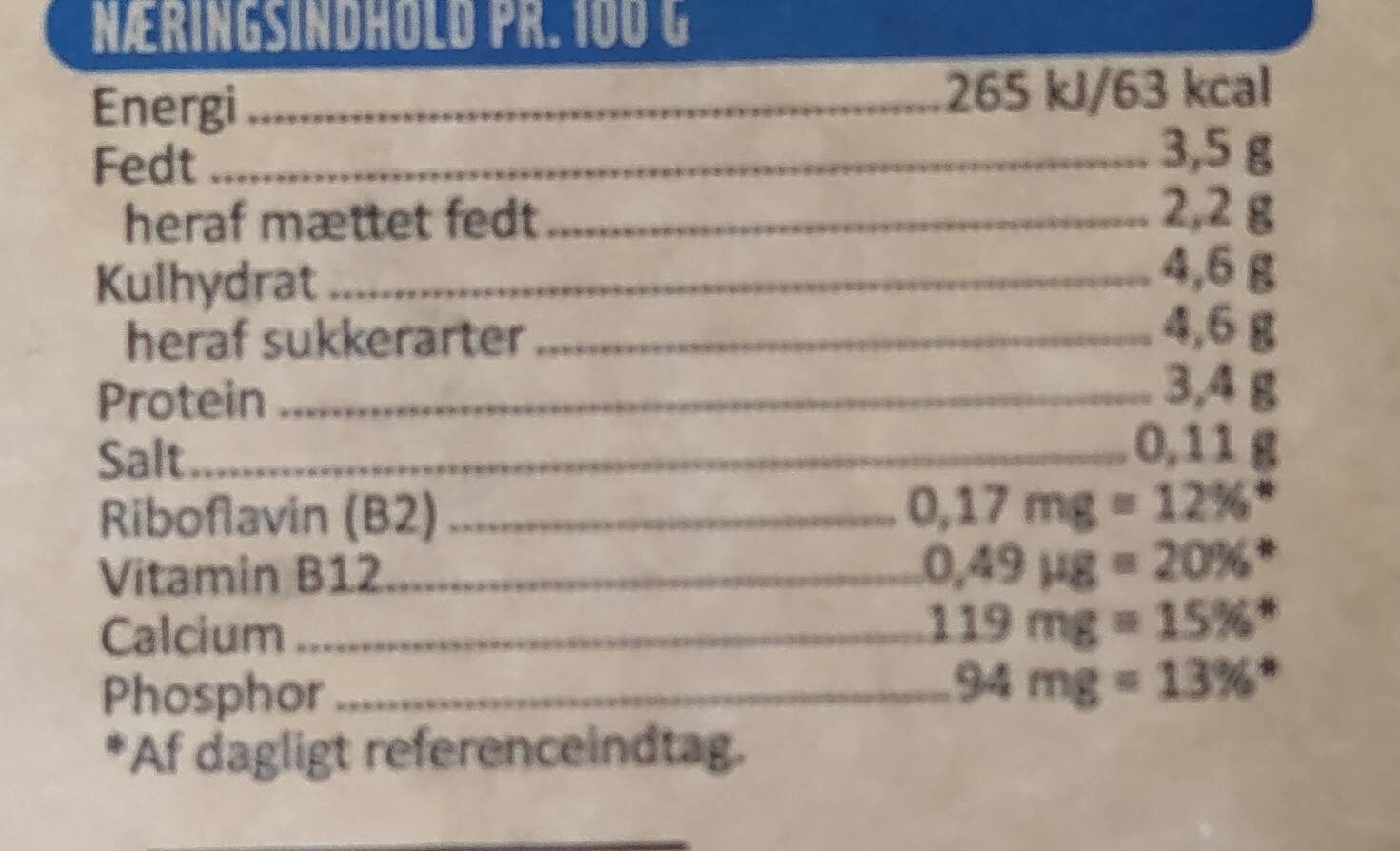
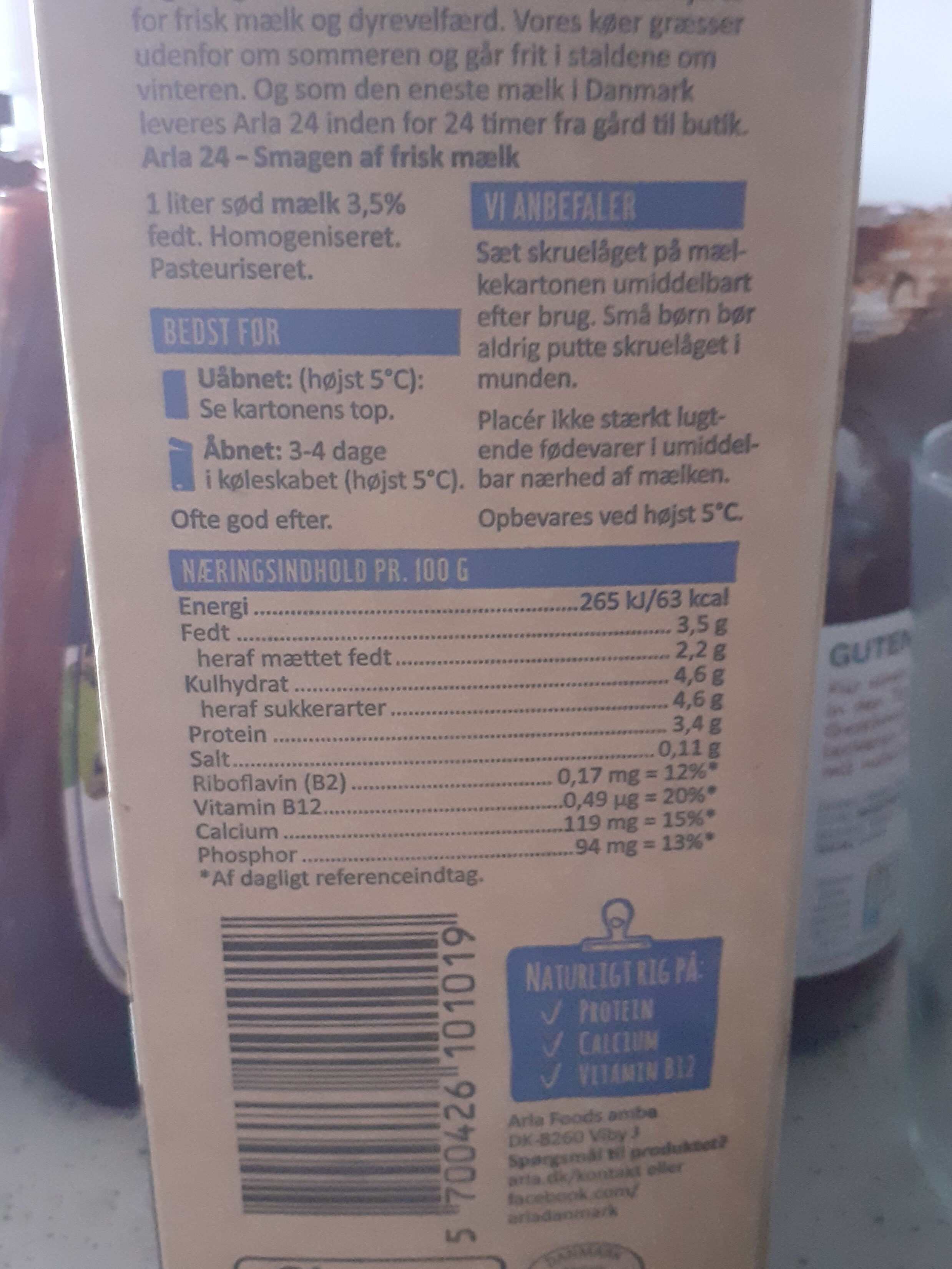
If we look at the milk labels below from Denmark and Spain, the fat is 3.5g out of 100g, therefore it’s easy to transfer this to percentages and realize this whole milk has 3.5% fat. The milk from Spain, which is semi-skimmed milk, has 1.6% fat. All the nutrition elements transfer directly to percentages. Europeans learn in grade school that 1 liter (1L) of water is equal to 1 kilogram of water (1Kg). Although milk has a higher density than water, 1L of milk is equal to 1.035Kg, which is almost the same.
Credit world.openfood.facts.org, posted with persmissionCredit world.openfood.facts.org posted with permissionCredit world.openfood.facts.org posted with permission1 liter milk carton from Spain photo by Molly BestaMilk Nutrition Fact Labels Denmark and Spain. Both containers hold 1 liter of milk, approximately 1.035 Kg of milk. Notice all information about the package and its contents is on the same side. Sød mælk is whole milk in Danish.
Now let’s compare with two American containers of milk:
Whole milk half gallon carton in the U.S.The total milk in this bottle is displayed in a different side of the Nutrition Facts’ Label8 fluid ounce skim milk bottle in the U.S.The total milk in this bottle is displayed in the opposite side of the Nutrition Facts’ LabelMilk Nutrition Facts Labels from the U.S.A.
American nutrition facts labels’ appear to be driven more by calories than the nutritional values. We can see on both these labels the Calories are in big bold writing and would be the first thing the consumer sees. The first question that comes to mind by looking at these two labels is if the dairy companies are trying to sell these products to help the consumer by telling them how many Calories their milk holds or are they trying to fool the consumer by implying their milk doesn’t have many calories? The next question I would ask: Is the American or the European label more beneficial to the obese and/or diabetic consumer?
American food labels require a calculator to really understand them or a notebook where we can jot down the math. 8g of fat or 11g of sugars for one cup of milk is simply very hard to visualize. 1 cup, 240 ml of milk, is almost the same as 240g of milk. 8g of fat is therefore 3% of fat per cup. 11g of sugars is 4.58% of one cup. The low fat milk bottle does an excellent job in telling us its total contents, promoting those small plastic bottles, but not making the general nutritional facts of skim milk very comprehensible.
Unlike the European labels, which list the total milk amount in the packages on the same side, both these American products post it in a different side of the container. Yes, the whole milk nutrition facts’ label does say 8 servings per container and that one serving is 240 ml but that means multiplying by 8 to know how much there is of everything, or turning the container to the other side. Also if the measurements are in grams and milliliters then why not just use the metric system altogether?
Egg Nutrition Facts
French carton of 12 eggs, non GMO, from cereal fed chickens. Credit world.openfoodfacts.orgNutritional Facts from French carton of 12 eggs, non GMO, from cereal fed chickens. Credit world.openfoodfacts.orgNutritional Facts from Egg Carton from Spain, Europe. Photo by Molly Besta.U.S. Egg Carton
Although the American egg carton does an excellent job in telling you how many calories are in one 50g egg, it doesn’t quite tell you it’s an average weight since not all eggs in a carton weigh the same. The nutrient value once again requires a mental calculation if you want to understand its overall percentage values: 6g = 12% protein, and 5g =10% fat. In addition, 50g is not an easily transferable number to American measuring units. For example, one ounce weighs 28.35 grams, and 1 pound is 453.59 grams; meaning this 50g egg is 1.76 ounces, or 0.11 pounds. Although the European egg carton doesn’t tell you how many Calories one egg has, its nutrient values can always be easily converted to percentages.
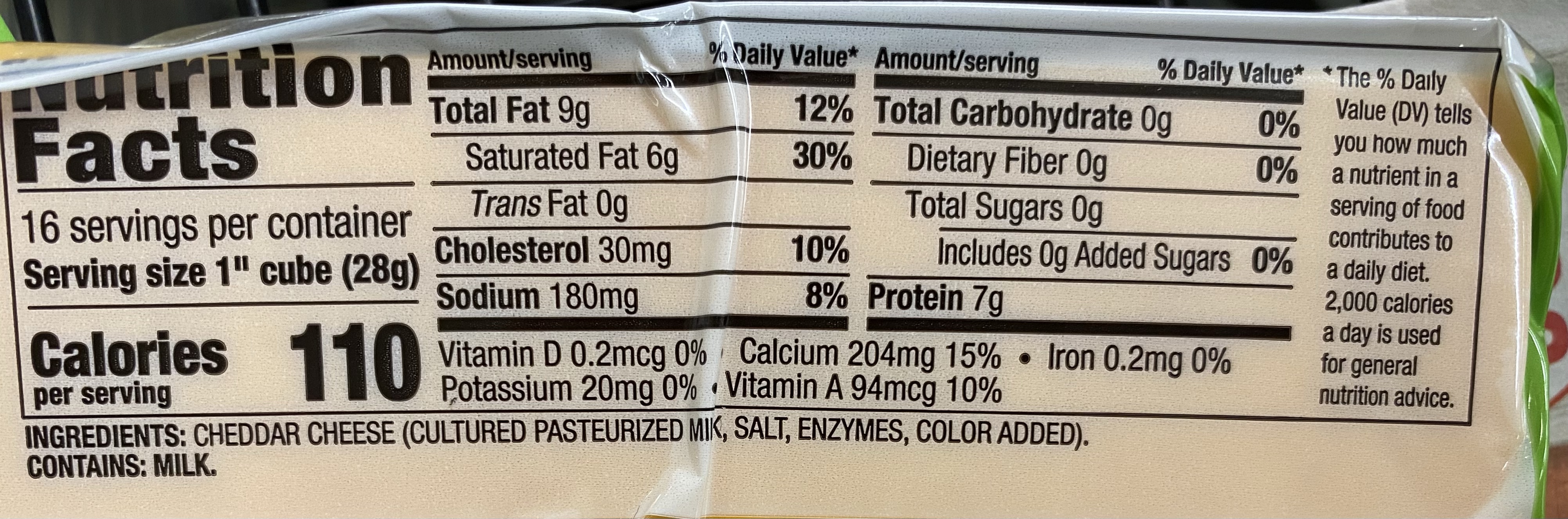
Cheddar Cheese Nutrition Facts
Cheddar cheese nutrition facts’ label in the U.S.Cheddar food label from Spain. Photo by Molly Besta
When you eat Cheddar in the U.S. is it immediately apparent that for every piece you eat almost 1/3 of it is pure fat? To figure that out you have to divide 9g by 28g. The protein is easier to calculate: 28g / 7g is 25% but it also requires doing a fraction in your head. With the European label, most grade schoolers can tell you this particular Cheddar has 32% fat, 26% protein and etc.
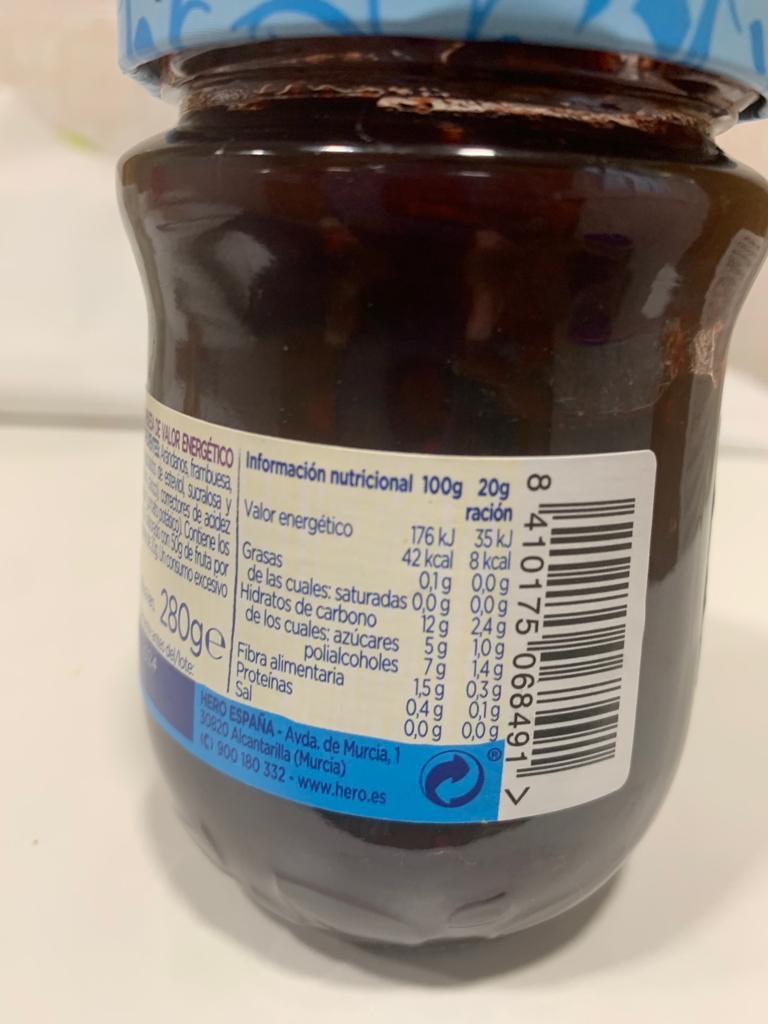
Jam Nutrition Facts
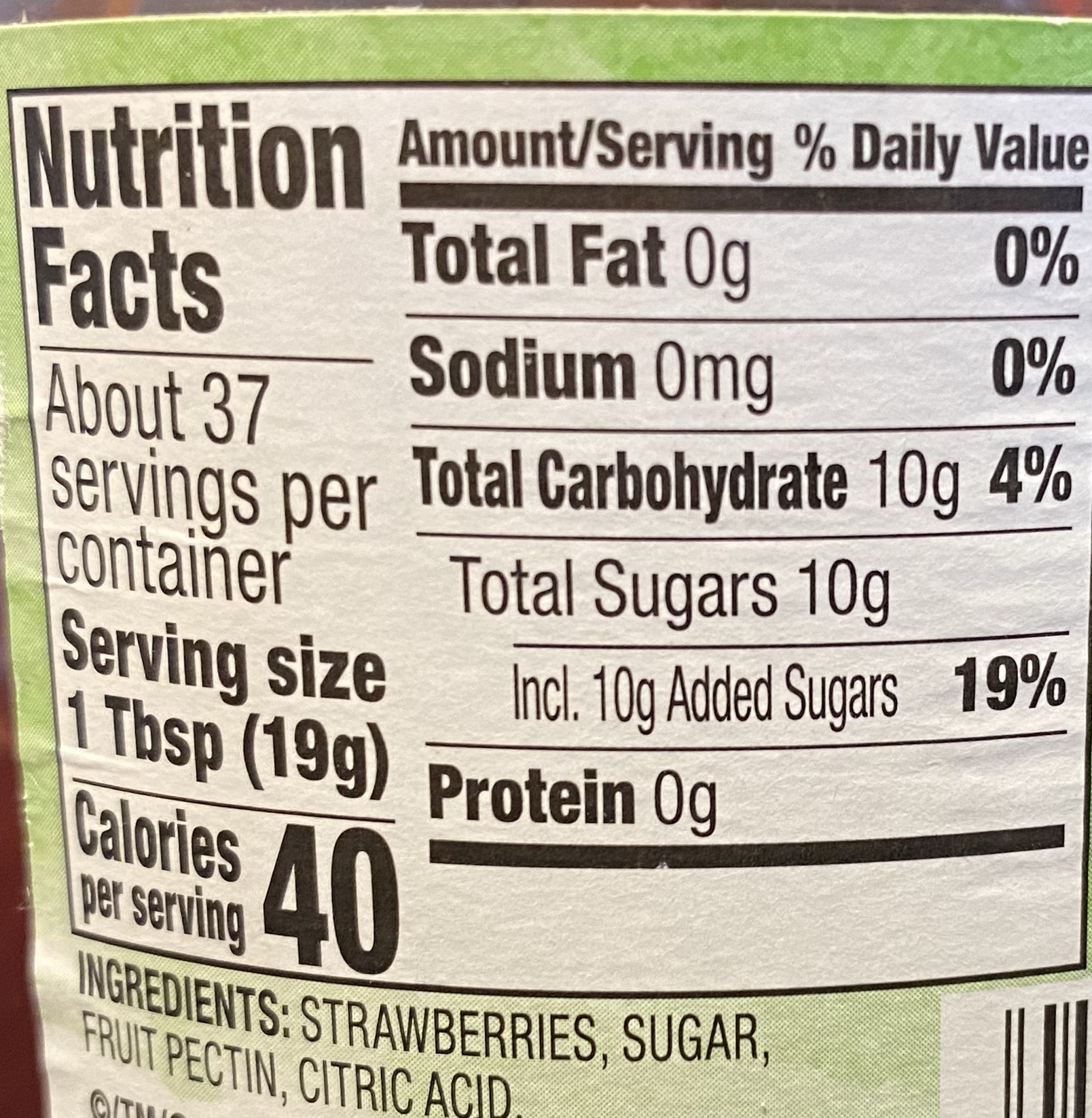
Jam sold in Spain, Europe, photo by Molly BestaTesco strawberry Jam sold in Europe. Credit: world.openfoodfacts.orgStrawberry Jam sold in Europe. Credit: world.openfoodfacts.org. Notice the tablespoon % daily values on the right.Tesco strawberry Jam sold in Europe. Credit: world.openfoodfacts.orgStrawberry Jam sold in the U.S.
Did you know this American jam contains 52.6% sugar? Fully grasping this does require some math: 10g /19g. The European label is simply more straight forward: The jam from Spain has 12% sugar and the other has 63%, 12g and 63g respectively.
Percentage of Daily Values are referred to in the United Kingdom and the European Union countries as Reference Intakes. They may be listed in a different part of the food packaging as we see in the Tesco Jam label above. Declaring them on a food label in Europe is not mandatory. They are also often based in the 2000 Calories a day concept. Calories in Europe are referred to as kc, or kilocalories.
Obesity and diabetes in the U.S. (almost 42% of the adult population and 11.3% of Americans respectively) cost taxpayers billions of dollars. Nutrition Facts Labels may be the first line of defense against those ailments.
If you would like to experience a Togolese night, with West African music and native dancing, and at the same time support a local charity,reserve the date of Saturday, March 11th 2023.
WO.S.A.T, a Chicagoan Togolese Women’s Association is hoping to raise $20K to fund water works projects in the Village of Danyi Gabi, Togo, and to provide much needed medical and school equipment and supplies.
In 2022 WOSAT funded similar projects in the Villages of Atoeta, Ahepe, Agbetiko and Batoumé, with $12K they received from donations and membership dues. WOSAT also funded projects in Togo in 2017, 2016 and 2014. Many videos and pictures are available here.
WOSAT is celebrating their 15 year anniversary and International Women’s Day at Crystal Band Banquet in Lemont. Ticket information is listed in the video below. Donations are welcome for those who may not be able to attend by Zelle / Paypal / CashApp: wosatready@gmail.com . WOSAT is a nonprofit organization.
Wo.S.A.T. Fundraiser Gala Dinner Party March 11th Promotional VideoSchool children at the Village of Batoumé in Togo, West Africa, receiving schools supplies from Wo.S.A.T members 2022School children at the Village of Batoumé in Togo, West Africa with backpacks purchased by Wo.S.A.T. 2022In 2022 Wo.S.A.T. provided hospital beds for women to give birth like the one we see in the far left to a hospital in Ahepe, Togo.Village Elders, Ahepe, Togo, West Africa, 2022In 2022 Wo.S.A.T. purchased school benches and tables for several school in the Villages of Ahepe, Atoeta, Agbetiko and Batomé, in Togo, West Africa.
The coast off the Avepozo neighborhood in Lomé, East of the Hotel Madiba
This year, in the month of June, some of my family members and friends traveled to Togo from the United States, Germany and France. Many of us had planned to travel in April 2020 but were not able to because of the pandemic. Some members of the group stayed for a month in Lomé and others, like my wife and I, stayed for 15 days.
Although some of us in the U.S. traveled from Newark to Lomé nonstop, my wife and I took a flight from Chicago to Brussels, Brussels to Accra, Ghana; and then to Lomé (total trip time 19h and 10 min). We booked the flight in April 2021 with Brussels Airlines through a third party website and we paid a little less than $1200 each.
Like many people who travel to non-industrialized countries, our suitcases were completely packed and some weighed more than 45 pounds. A very patient and slim lady at the American Airlines counter helped us reweigh our luggage after we had removed some of the items and put them in our carry on luggage. It was surprising to see such a thin person lift our very heavy luggage and put it on the belt. We did purposefully take an extra suitcase and we paid $200 to check it in.
American airlines handled the flight from Chicago to Belgium and Brussels Airlines the rest of the way. Our experience with the latter is also very positive because last year they refunded our 2020 trip without much of a problem. I also found their staff to be extremely helpful since they were able to retrieve a hand luggage in Brussels which we had been asked to check in in Chicago at the gate, right before boarding. The hand luggage contained important medication my wife needed from the last stretch of the trip, which we later realized we needed.
Togo Tourist Visa
Unlike in my last trip to Togo, instead of getting the one week entrance visa at the Lomé airport, I applied for it through the Togolese embassy in the U.S. Although it is much more expensive to do it this way, the visa is good for 3 months, which means not having to apply for an extension in the town of Agoé, an ordeal I describe in my last trip. I didn’t get credit for the three month visa I obtained for 2020, which I never used due to the pandemic. I believe the visa cost about $150. If you want to apply for the visa, download the forms from the Togolese embassy.
COVID testing
To enter Togo we were required to fill out an on-line questionnaire and pay a fee of 40,000 CFA for a mandatory COVID test everyone had to take to enter Togo. After filling it out, I was issued a scannable bar code sent to my email address, which I was required to present in the Lomé aiport. Once at the airport, however, I noticed my code was not scanned and instead my information was taken by hand at 2 different places and then, like everyone else, I took the COVID PCR test. I believe I signed a form indicating if I tested positive I would voluntarily quarantine. The result was sent to me via email some days later and I tested negative.
To return to the U.S. the Togolese authorities required we take the PCR Covid test again at the airport. When we showed up for the test, we were informed we could preregister online so we wouldn’t have to stand and wait. The test price had decreased to 25,000 CFA. I took the test on July 10th, Saturday, two days before my departure and received the results on Sunday afternoon. Although my wife tested negative, I tested “probable,” meaning it was probable I had the virus, but technically the result was inconclusive. The instructions on the form I received by email were to wait 72 hours before retaking it. I couldn’t have taken the test again on that Sunday anyway because the airport testing site was only open for 4 hours on weekend mornings. However, some of my wife’s relatives said nothing prevented me from taking it again on Monday, July 12th at seven in the morning at the Institut National d’Hygiene and pay the rush fee, which ended up being 20,000 CFA. The Institut said the results would take 18 hours but a couple of in-laws who knew some people were able to get the results by six pm the same day so I was able to leave on my scheduled flight at eight pm on that Monday.
Some of my in-laws said I did not test negative or positive because I am white and the government just wanted to make money from me. However, I’m not so sure because there doesn’t seem to be any connection between the people at the Institut National d’Hygiene and the airport. I called the U.S. embassy on Monday morning and they said they had never heard of a “probable” test result and they could place a call on my behalf to see if they could get more information. I told them it wasn’t necessary but I would call them again on Tuesday if my new PCR test did not come out negative. Luckily I never had to call the U.S. Embassy again.
Needless to say my last Sunday afternoon in Lomé was ruined and I had to wake up at 6:00 am the next day, the same day of my return flight to the US, to catch a taxi on the N2 from the Baguida neigborhood to the city center. We were on the N2 at about 6:45 am and I was surprised to see a lot of traffic of many hundreds of people traveling on motorbikes and cars to undoubtedly go to work. I enjoyed seeing so many young people early in the morning. We also waited for some time outside and inside the Institut National d’Hygiene. It is in an interesting neighborhood. There are several pleasant outdoor restaurants. My wife had some Akasan, a corn type drink, and botokoin, a type of African donut hole, for breakfast. The latter are also referred to as bofrot in Ghana and Burkina Faso and there are plenty of recipes on youtube.
Quartier Baguida
In this trip we rented a house for a month in the Baguida neighborhood in Lomé. The house was quite spacious, having 5 bedrooms and 4 bathrooms, with outside servant’s quarters consisting of an additional room with a full bathroom. But the house was not clean and overall in bad condition. Many of the window screens were either broken or had holes, and the refrigerator did not work well for the first 9 days. There were several broken appliances in the backyard along with dog poop. The front yard had one broken sink up against a hedge, another sign which showed a complete lack of care from the owner. Unfortunately we rented the house through a relative, and not through one of the house rental websites, so we could not write up a review. The house was located in a gated area about, half a block from the N2, not far from the Hotel Porte Baguida.
A dirt road off the N2 in Lomé’s Baguida Neighborhood. There’s a lack of sidewalks and they’re often blocked. The observable ditches on the road become filled with water when it rains making it very difficult to walk and drive.
Outside of the gated area there were no sidewalks and no traffic lights so taking a walk or going to buy something at the local stores by foot was very uncomfortable. In addition, summer in Togo is the rainy season and the dirt road in front of our gated community often had huge puddles so at times there was only one foot of dry space to walk on, which we had to share with the cars and incessant motorbikes.
Other people in our group who rented a house or apartment had a much better experience. I think being a large party in a house makes it harder to manage the living conditions. Next time my wife and I will rent a place by ourselves.
Back in 2017, we stayed for two weeks at a relative’s house in the Avepozo quartier, or neighborhood. This year 2021, I found Avepozo to have grown, have a good nightlife, more variety of shops and better sidewalks. It’s also, unlike Baguida, at a walking distance from the beach.
Zemidjansand traffic
The zemidjans or motorbikes are a cheap and popular way to commute. A ride from Baguida to the Avepozo neighborhood, for example, almost 2 miles away, cost 300 CFA. My experience is that a lot of car drivers dislike the zemidjans, which seem to be the majority of vehicles in Lomé, because drivers say they do not follow traffic rules. Should they have their own traffic lanes?
Mototaxi center at the N2 in Avepozo, Lomé, TogoThe Zemidjans (motorbikes in the Ewe (Mina) language are an important means of transportation in Lomé, Togo. The word originally comes from the Efôn language in Benin, etymologically Zem means “take me” and djan = “quick.“
Two traffic rules that I noticed are very different in Lomé from Europe and the US: In Lomé vehicles inside a roundabout have to yield to incoming traffic and motorbikes always have to yield to cars.
Mosquitoes and Flies
I think the living conditions you choose in Togo will determine what experience you have with these insects. Unfortunately the house we rented had an indoor kitchen and the live-in cook we hired left the kitchen door open at all times due to the high heat. This meant we had dozens and dozens of insects coming into the house all day. The mosquitoes are excellent at hiding inside drapes and everywhere and when I would go downstairs in the morning, I would easily get stung numerous times. The first couple of days I had 10-15 mosquito bites until I bought a fan, which I put in my room to sleep at night and this stopped mosquitoes from stinging me. A deet mosquito repellent I purchased in the U.S. also worked well and my experience is that it’s best to spray it in your hand and then onto your body. I did not put any on my clothes and I never was stung through them. Togolese mosquitoes liked my ankles and ear lobes a lot. Some of the members of our household reported vaseline was very effective as a repellent but apparently it can make you very hot with the sun. Vaseline also worked for me, which I used in the evenings.
Port de Pêche de Lomé (Port Fish Market in Lomé)
In Togo fish is plentiful and if you are in the Baguida neighborhood you are very close to the Fish market (Port de Pêche). Be ready for some serious negotiations and haggling, which can be quite aggressive with certain merchants.
Grilled Red Snapper with fried yams and hot tomato sauce (Koliko avec akpavi poisson entouré avec yebessé)
Assigame Market
Once again this year we spent a lot of time in Assigame, the biggest market in Lomé. One could say it is like a huge open air Wal-Mart because they sell everything there. Many natives say one has to watch out for pickpockets and thieves but from having traveled to many big cities in different parts of the world, I can usually distinguish petty criminals and Togo still felt like a very safe place to me. In fact, we exchanged dollars in the market several times and never had a problem. Speaking of dollars, I didn’t find the exchange rate from withdrawing money in a bank any worse than exchanging it in the street, which is the natives’ preferred way of exchanging US dollars to CFAs.
Assigame is of course full of stands and shops but there are also hundreds if not thousands of walking vendors, who usually are quite aggressive. My experience is that the most pushy salespeople are those who sell shoes, belts and dress shirts. If you don’t want to be forced into buying something, don’t take anything in your hand, even when a walking vendor hands it to you, walk away and ignore the salesperson. You may be followed by an in-your-face salesman but you have to move along and be firm.
Natives say there are no jobs in Togo and people have no choice but to sell for a living and that perhaps this is why many walking vendors cannot take no for an answer.
We spent a lot of time in this hotel because the owners are my wife’s in-laws. The staff is very friendly, the food, excellent and it is right on the beach. The Wi-Fi works very well too.
Sickle Cell Anemia
In this last trip my wife, who suffers from sickle cell anemia, started using Drepanostat, an easy to find medication in Togolese pharmacies. According to my wife it has the same positive effect on her as the Burkina Faso medicine FA-CA, which we know is made from extracts from the Senegalese Prickly Ash tree and the Apple of Sodom plant. FA stands for Fagara Jaune, which is Prickly Ash in English, and CA stands for the Calotropis procera, Latin for the Apple of Sodom, Pommier de Sodome in French.
This medicine for sickle cell anemia is common in Togolese pharmacies and costs a little les than 5000 CFA or about $9 USDThis Burkina Faso company manufactures this medicine for the treatment of Sickle Cell Anemia
Last year my wife discovered this article, which basically states that certain plants have produced positive effects in the anti-sickling of red blood cells, and she started taking the above medicine, FA-CA from Burkina Faso.
Disclaimer: Although my wife has experienced positive effects with the above West African medicines, I don’t know if they would be effective with other people who suffer from sickle cell anemia and I am not promoting them. I am simply describing that my wife’s experience with them has been positive. There’s a lot of information on the internet regarding different medicines and/or plants which are used in West Africa to treat sickle cell anemia. Some of the information I have found is in French, from France, Benin and other Francophone countries but there’s a lot of information on the web in English from Nigeria as well. Please consult with a doctor before taking anything. Do not rely on this article or my wife’s experience.
Poverty
Togo is in European and American standards considered a poor country. The natives say there is a lack of jobs there and many people with college degrees are forced to work either driving the zemidjans or as walking street vendors. While I was in Togo, I was only in Lomé, and I did not see anyone who appeared under nourished. The great majority of children I saw wore shoes. I also didn’t see any children with swollen bellies which would indicate Kwashiorkor. However when I travel to Spain or Togo it pains me to see African walking vendors who one can notice are often struggling under the hot sun. Sometimes I have given some street salespeople a little bit of money like 100CFA or even 500CFA (approx. $1 USD). However some of them get offended and would rather sell you something. When I’m in Togo I’m basically never in need to buy anything from a walking vendor, who often sell items for the local population, I prefer to give them a bottle of water, which is always very well received.
Waking vendor by the Cathedral Sacré CoeurWalking vendor returning home in the Baguida neighborhoodTypical Street Stand in LoméStreet vendor selling yams, a staple in Togo
In January 2008 I had the privilege of visiting Manila, the Philippines for about 8 days. My best friend in the U.S. was marrying his Filipina fiancée and he invited me for his wedding at the Manila Cathedral to be his best man. Although I had met a few Filipino families here in Chicago, I knew very little about the Philippines back then.
Manila Cathedral inside Intramuros
On January 1st, 2008, I flew to Tokyo and I was there for about 24 hours. The next day, which must have been January 3rd because of the time difference, I flew to Manila from Tokyo. At the time there were no direct flights to the Philippines from the US.
At the Narita International airport in Tokyo, I saw a large number of 747 jets on the runways. We took one to fly to Manila, despite the fact that the flight was only about 4 or 5 hours. I had never seen a jumbo jet being used in the US or Europe for such a short flight. Perhaps it’s because the population numbers are larger in Asia.
Homage to the Lapu Lapu warriors who killed Magallanes in 1521
Inside the airplane, I immediately noticed the beauty of the Filipino staff. The Japanese appeared more homogeneous to me. The Filipino people are very handsome and it might have something to do with the diversity of ethnic groups who live there. I also found Filipinos to be very slim in comparison with Americans.
One badass Jeepney
A jeepney and a traysikel
Jeepney station not far from Intramuros
Love the color contrast
In Manila, I stayed in Quezon City, at the Holiday Inn in the Podium Mall, in the Ortigas center. It is a business district full of impressive condominium skyscrapers, some of which have helicopter pads. I brought some work with me from Chicago since I had two major translations to finish. I worked about 35 hours during my stay. I was very comfortable in my room and the wi-fi was excellent.
The Independence Movement against Spain: Katastaasang Kagalanggalangang Katipuanan ng mga Anak ng Bayan
Rizal Park
Jose Rizal one of the father’s of Filipino Independence
The hotel was basically inside the Podium mall. I would usually have lunch at the food court area, which, if I remember correctly, is in the basement. There were dozens of restaurants there and I quite enjoyed the variety of food. I usually had dinner in restaurants outside the mall with my friend who got married. I found Filipino food to be inexpensive and superb. Manila is a paradise for anyone who loves to eat. The seafood and fish are excellent and inexpensive.
Panadería in Spanish also means bakery
Inside Intramuros
Despite the work I brought with me, I was able to enjoy Manila during the two almost full weekends that I was there and in the evenings, after 5pm, when I finished my work for the day. You obviously would have to live a whole lifetime in Manila to know the city, but I was enamored by the climate, the food, the scenery and the people.
Manila insigne y siempre leal ciudad Felipe II (Manila Distinguished and Always Loyal City, Philip II)
Spanish Cultural Heritage
Unlike in Japan, almost everyone I met in the Philippines had a basic understanding of English. This made things very convenient. I only recall one experience with one person who spoke broken English. She was an attendant at a natural pharmacy type shop at the Podium mall. She was a woman of about my age back then, who also asked me if I was married. I’m not sure if she was flirting with me or maybe trying to find me a wife. In any event, she was very pleasant. She helped me buy some natural medicine she said would help me stay awake during the day since I was having trouble sleeping at night.
The Spanish walled city and fortress in Manila
As a Spaniard, I found it very interesting to visit a country which was once, at least partially it seems, a Spanish colony. The Tagalog language has many Spanish words and there even is a language in the Philippines called Chavacano which is a type of Spanish Creole. I’m not sure that the Spanish quite dominated the Philippines because unlike other Spanish colonies the Filipinos never lost their own languages. What is interesting too is that a great number of Filipinos carry Spanish names and one Filipino woman I know in Chicago, explained to me that during Spanish rule the Filipinos were forced to have Spanish last names.
The most luxurious and impressive hotel I have ever visited
I found the security in the Holiday Inn to be excellent and one time when my passport was checked by a clerk, he said he knew some people with my last name. At the time I knew nothing of the fact that there are probably more Carbajosas in the Philippines that in my own native country of Spain, so I told the fellow “No way,” adding that my last name was not common at all. The poor clerk was very polite and was silent and I gave it no more thought. Years later I learnt how mistaken I was. There’s even a street with my last name in the San Carlos Negros Occidental area. There was actually a mayor of this Municipality named Pelagio Carbajosa in the early 1900s Either he or his father was an immigrant from Spain, I’ve been told, and he is probably a sibling or son of one of my ancestors. El mundo es un pañuelo, we say in Spain, which means the world is a much smaller place than you think and it fits in your pocket, like a handkerchief does.
Some very nice students on top one of the murallas.
Provincianos (villagers)
The locals referred to these people as Provincianos whom I found to be homeless
Children and women inside Intramuros
Women only wagon Elevated Train in Manila (I went into the wagon not remembering there were separate wagons for men and women)
Children street vendors at Laguna De Bey
Homage to the Filipina Mother
Elevated Train Station
Ayala packed Elevated Train Station
I discovered many Carbajosas in the Philippines through facebook and I have hundreds of Filipino friends with my last name there who often times refer to me as a cousin or uncle “tito.” Some have even invited me to their homes for my next visit. In Facebook there’s a Carbajosa Families group, a Carbajosa Clan group and even some resorts I’ve found with our last name.
Unfortunately when I was in the Philippines I knew nothing of the many distant relatives I have there. But when I left Manila in mid January, I remember wishing I could stay and live there. It is truly a magical place. I hope I can go back one day.
Carbajosa Street in Calatrava, Western Visayas, Philippines. CREDIT: Geva Rivera
Guide complet sur l’ITIN aux États-Unis : Obtention, Utilité et Avantages
August 13, 2023Le Numéro d’Identification du Contribuable Individuel (ITIN, pour Individual Taxpayer Identification Number en anglais) est un document essentiel pour ceux qui ne sont pas éligibles pour obtenir un numéro de sécurité sociale aux États-Unis, mais qui ont besoin de remplir leurs obligations fiscales. Dans cet article, nous explorerons comment obtenir un ITIN, son utilité, les institutions financières qui acceptent ce numéro pour ouvrir des comptes bancaires, les entreprises qui offrent des services pour l’obtenir et les avantages de gérer le processus par vous-même.
Qu’est-ce que l’ITIN et à quoi sert-il ?
L’ITIN est un numéro d’identification fiscale délivré par le Service des Impôts Internes (IRS) aux États-Unis. Il est destiné aux individus qui ne sont pas des citoyens résidents ou des étrangers non résidents ayant l’obligation de déposer des déclarations fiscales aux États-Unis. L’ITIN est utilisé pour déclarer et traiter les déclarations fiscales, ainsi que pour d’autres fins fiscales.
Étapes pour obtenir un ITIN :
Institutions financières et comptes bancaires avec ITIN :
De nombreuses banques et coopératives de crédit aux États-Unis acceptent l’ITIN pour ouvrir des comptes bancaires. Certaines institutions qui acceptent généralement l’ITIN comprennent Wells Fargo, Bank of America, Chase, Capital One et Ally Bank, entre autres. Cependant, les politiques peuvent varier, il est donc toujours recommandé de vérifier directement auprès de l’institution avant d’ouvrir un compte.
Agent d’acceptation de l’ITIN autorisé par le gouvernement américain
Le gouvernement américain autorise plusieurs entreprises à traiter votre ITIN. Voici une liste et plus d’informations. Le processus d’obtention d’un ITIN peut prendre plus de 7 semaines.
Entreprises qui offrent des services pour obtenir l’ITIN :
Si vous préférez obtenir un ITIN par le biais d’un service spécialisé, plusieurs entreprises proposent une assistance dans le processus. Certaines de ces entreprises incluent ITIN W-7 Application, Greenback Expat Tax Services et ITIN Pro, entre autres. Ces entreprises peuvent vous aider à remplir les formulaires et à vous assurer que vous présentez la documentation correcte.
Si vous utilisez une entreprise privée pour obtenir l’ITIN, vous le faites à vos propres risques et ce blog et son auteur ne sont pas responsables s’ils vous volent ou vous trompent.
Avantages d’obtenir un ITIN par vous-même :
En conclusion, l’ITIN est un outil essentiel pour ceux qui ont besoin de remplir leurs obligations fiscales aux États-Unis. Bien qu’il existe des entreprises qui peuvent vous aider dans le processus, obtenir un ITIN par vous-même peut vous faire économiser des coûts, vous offrir un plus grand contrôle et vous fournir une précieuse expérience éducative.
Tags:comment obtenir un ITIN aux États-Unis
Posted in Articles, En français | Leave a Comment »